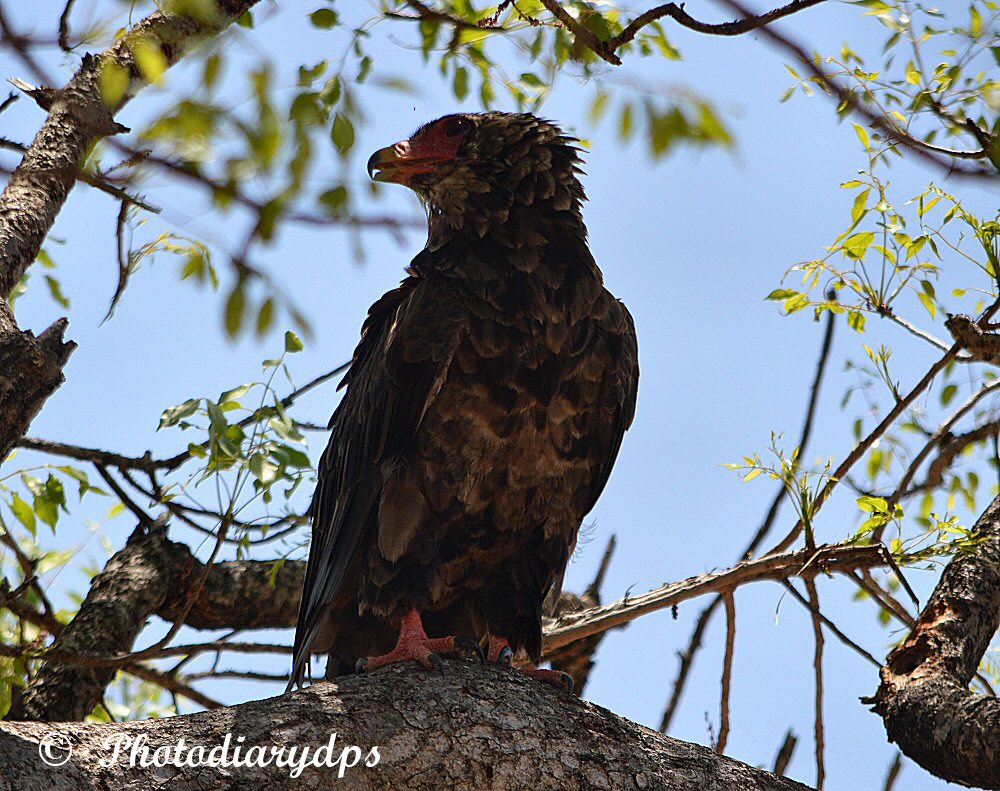
As with the last couple of posts, these are photos taken by my friend, Christelle Miller, while in the Kruger national park in May 2018.
Thanks go to Christelle for allowing me to use these photos on my blog.
I hope that my identification is correct, please let me know if there should be any mistakes.
Grey Heron (Ardea cinerea) are wading birds that favour areas like marshes, dams, lakes, lagoons, rivers and reservoirs. They can be found throughout South Africa, as well as in many parts of Europe and Asia....
This heron is happy to eat whatever fish, crustaceans and other animals it can find in the water in which it wades. Its diet includes various fish species, eels, lizards, worms, small snakes, frogs and little birds. It is a sociable bird and will nest with a sizeable group of other individuals.
It is a monogamous bird that will likely stick to an established heron nesting area, set up by previous generations in their natural habitat. These are called heronries. The female usually lays between three and six eggs during autumn or in the early part of winter. The male and female take turns to incubate these eggs for almost four weeks before they hatch.
The Lilac Breasted Roller, (Coracias Caudata), is a heavy-billed, beautifully coloured bird with a green head, lilac throat and breast, a blue belly and even brighter blue wing feathers. Both sexes have the same colouration. The species is found throughout Eastern and Southern Africa.....
All rollers, including the lilac breasted rollers, are highly territorial. They are also thought to be monogamous. The species make their nests in tree holes, as well as in termite mounds. They may also make use of unoccupied or abandoned woodpecker or kingfisher’s nest holes. Both males and females incubate the 2 – 4 eggs which are laid.....
Food is mainly insects such as grasshoppers and large beetles, scorpions, snails and occasionally lizards.
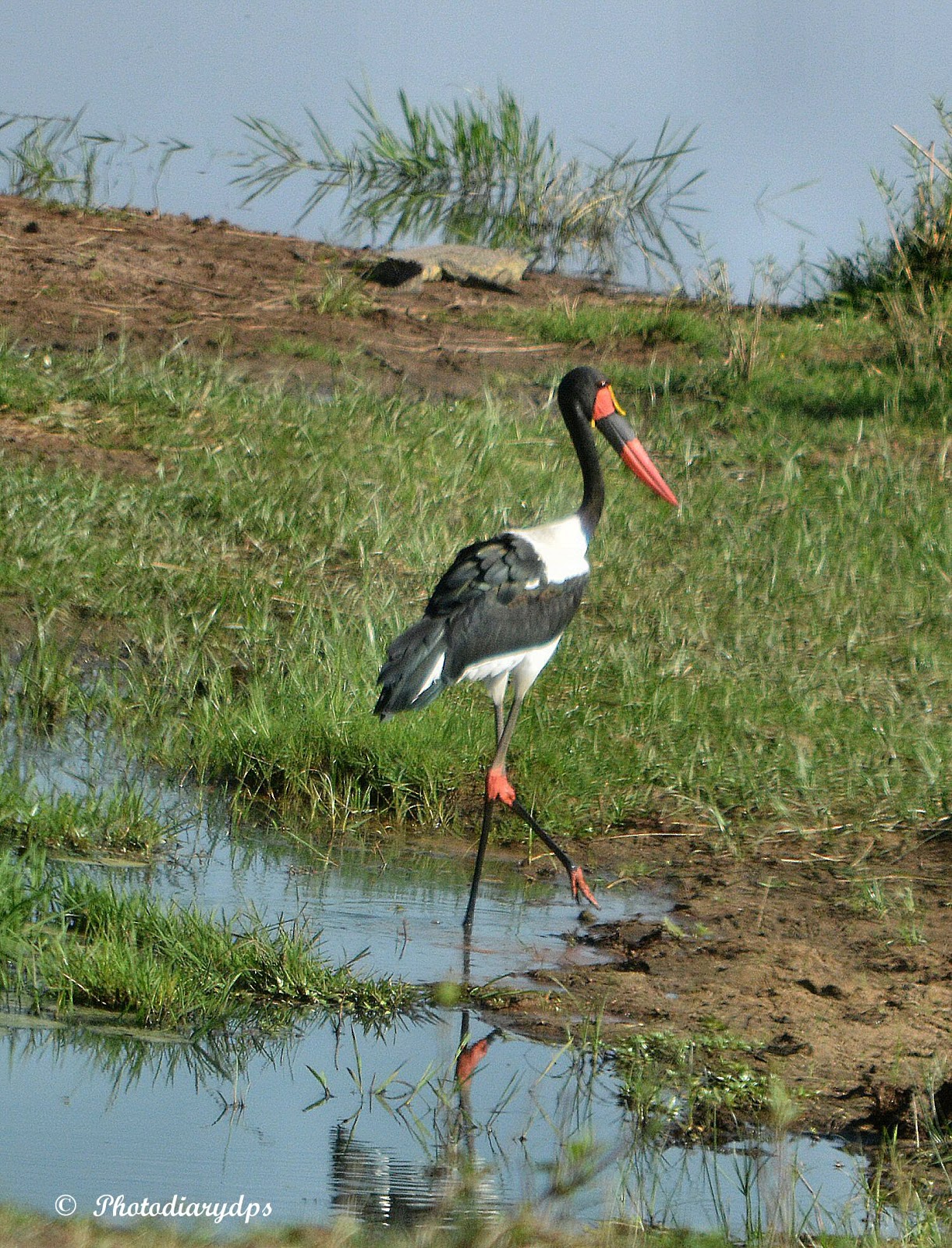
Saddle-billed stork, (Ephippiorhynchus senegalensis) a truly beautiful bird that is sadly very threatened with numbers dropping every year. They are the largest of the African storks and can be up to 1.8 metres (6 ft) tall. Their wingspan is up to 2.8 metres (9) feet. They can weigh up to 6kg (20lbs). They like to eat grasshoppers, frogs, fish, crabs, molluscs, lizards, and young birds.
They lay one to two eggs at a time. The incubation period is 30 to 35 days. The mating pair takes turns taking care of the young birds until they are fledged – about 70 to 100 days after hatching.
Swainson's francolin, Swainson's spurfowl, or chikwari (Pternistis swainsonii). It is usually seen in small parties in fairly open country. It eats seeds, berries, shoots, bulbs, insects and molluscs. It is monogamous unless its mate dies. The nesting habit is to create a nest on the ground. The bird lays eggs which are pink in colour and number between 3 to 12.
Note: I will be away next week so I will miss a post.